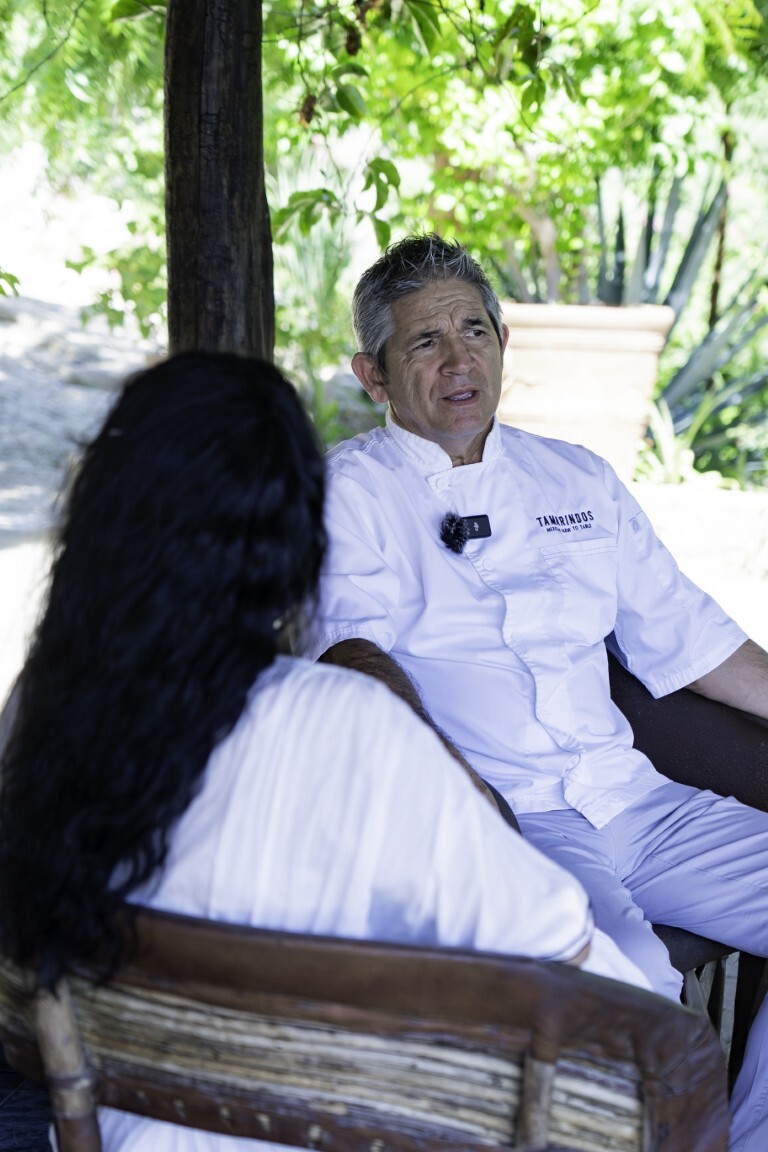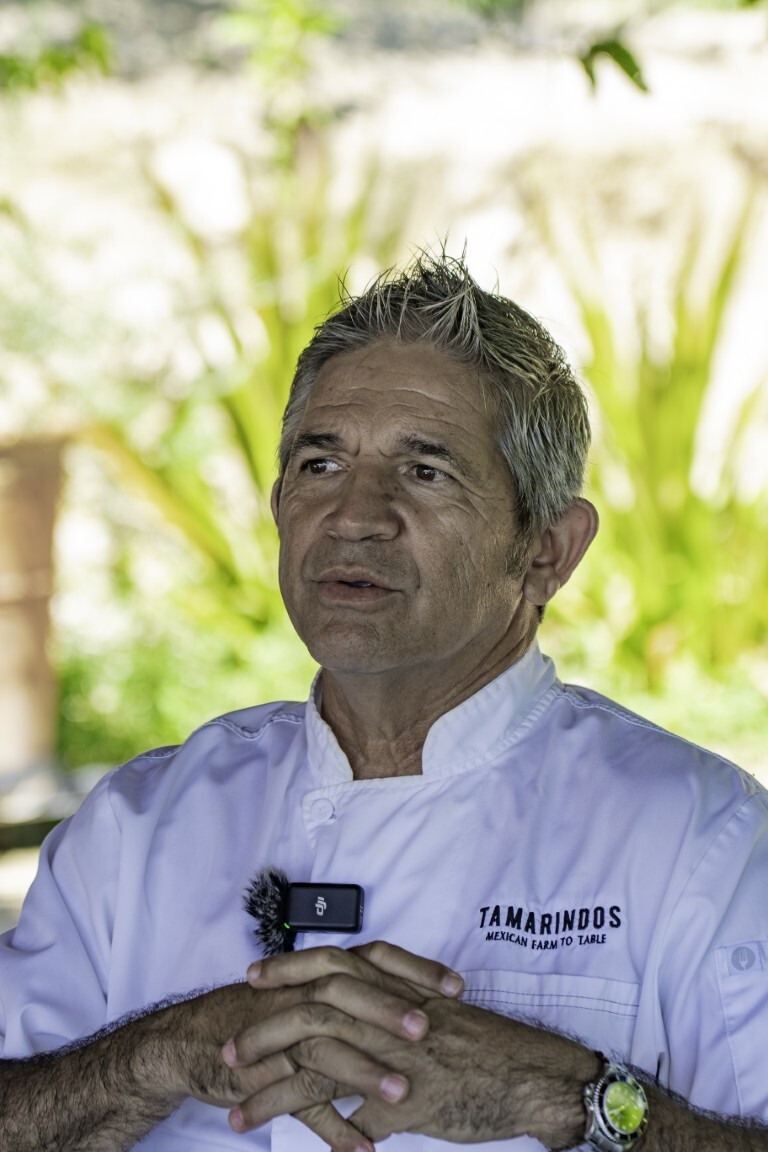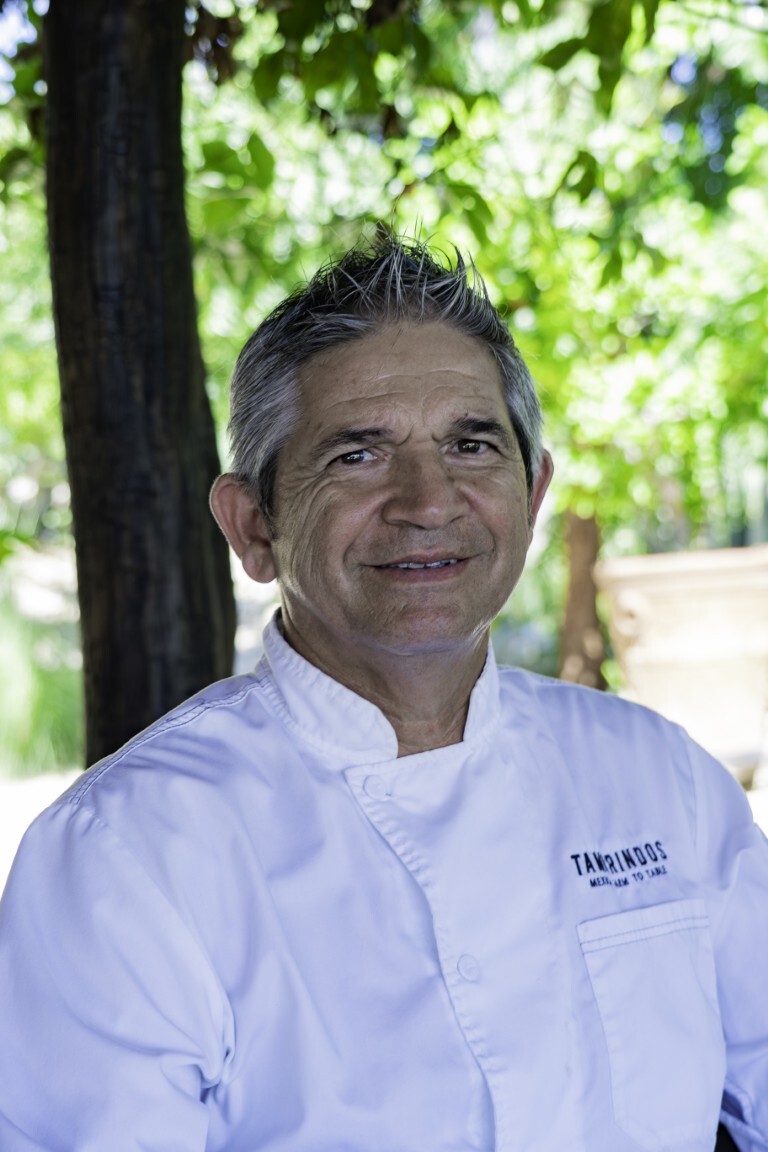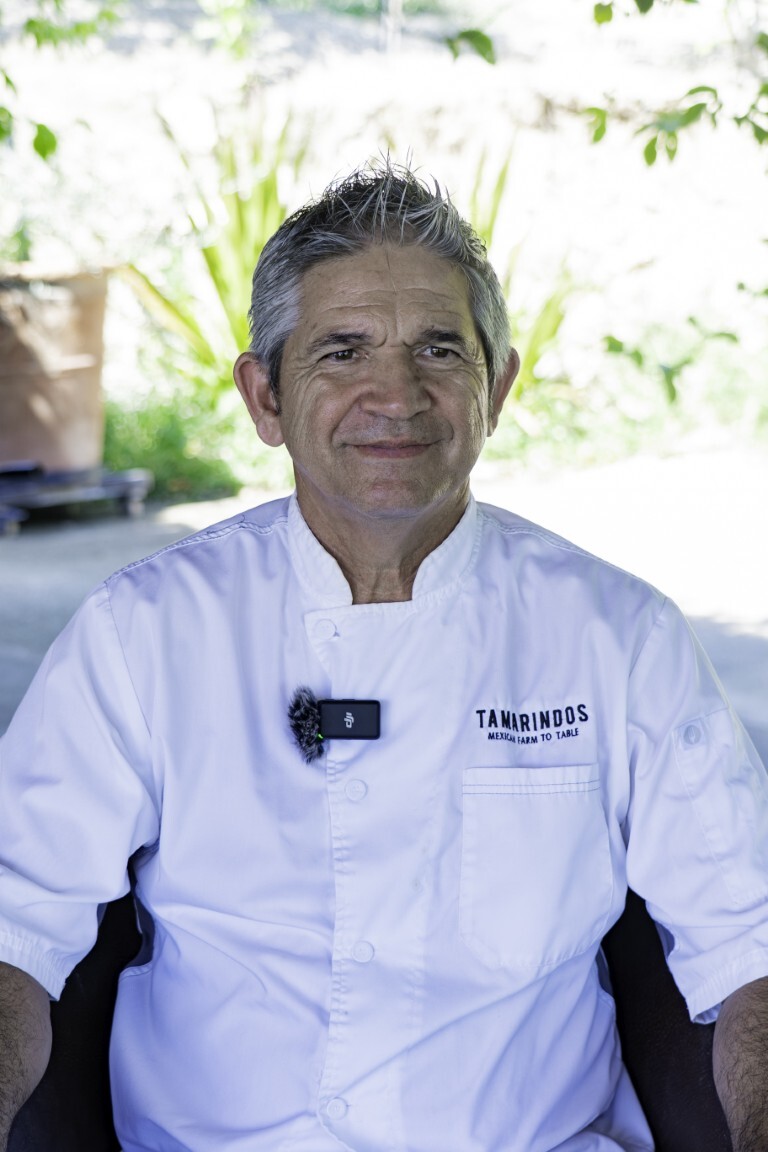
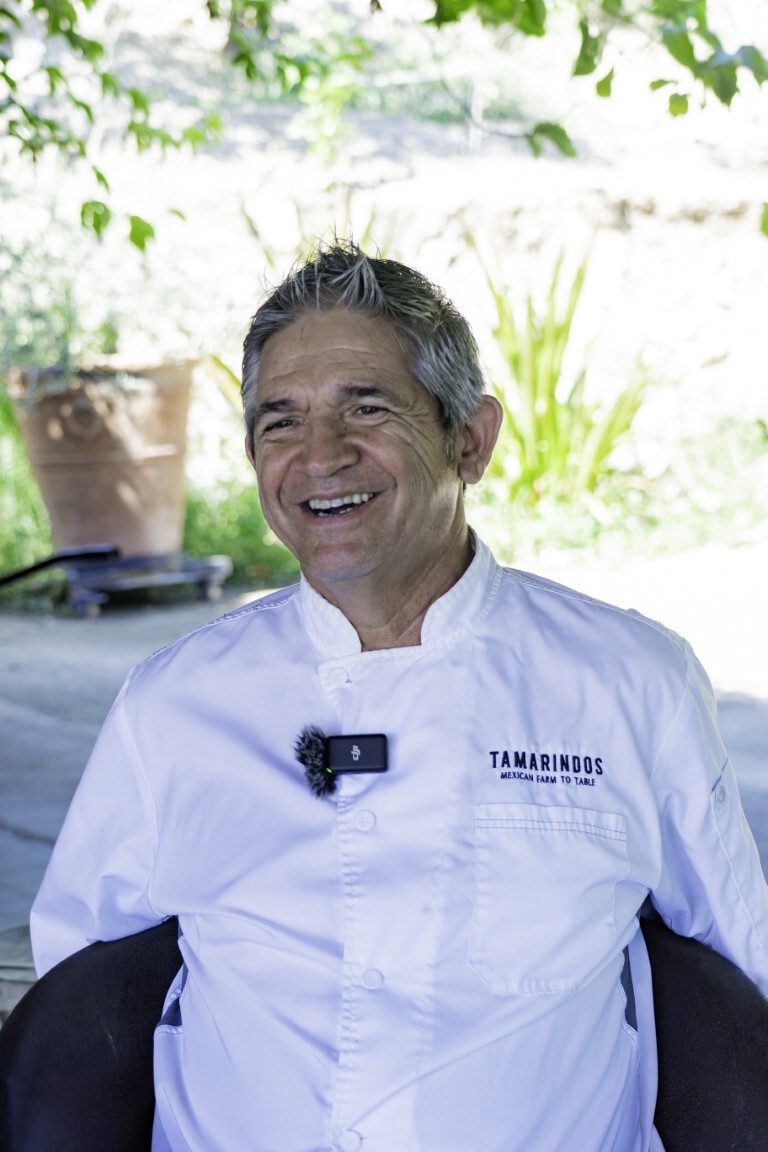
Enrique Silva
As an agricultural engineer, I came to Los Cabos to work at Twin Dolphin. I am a hotelier and farmer. The house where Los Tamarindos is now located dates back to 1888 and belonged to Don Ramón.
Initiatives for the Transformation of the Historic Center
As part of the first steps to turn downtown San José del Cabo into a historic center, a meeting was organized with the senator and Representative Rosa Delia, with the aim of familiarizing them with the area and inspiring them with precedents such as Playa del Carmen and other similar destinations. The strategy was to first present the site, then convince officials, and finally follow up to obtain federal government funding. To this end, we worked closely with the Ministry of Tourism, with the support of Alberto Treviño and Jacobo Turquie.
Consolidation of Partnership and Collaboration with Authorities
For weeks, politicians who helped define the direction of the project were consulted and advised. By then, the Asociación del Centro Histórico de San José del Cabo, A.C. (San José del Cabo Historic Center Association) had already been founded, which opened doors for meetings with the director of security, the secretary general of the municipal government, and other institutions. Collaboration with the municipal government was outstanding, supporting all tourism matters as an association.
Over time, they continued to meet with various politicians who listened to the needs of the historic center, and their advice proved essential. Soon, the first official response arrived: it was necessary to present a master plan. In collaboration with Irene Bustos, this plan was developed and approved by the state government. Thanks to Irene's representation in an important company, the executive project for the remodeling of the historic center was developed.
Project Development and Community Participation
The entire process took approximately two years, culminating in my term as president of the Association, which began with 20 business owners and grew to around 100 members, mostly restaurant owners, who came together to find a solution to a problem at the treatment plant. This is how the union came about to seek the common good.
The association included native families such as the Gonzálezes and Aragonés, Patricia Mendoza, who had recently arrived from La Paz, Gabriel Corral, who helped with the treasury, Armida Castro, who offered the Tropicana hotel restaurant for meetings, and other families who still lived in the historic center. The most difficult part had already been accomplished: uniting us for a common goal.
Formalization and Key Achievements
The formalization of the association was necessary mainly for economic reasons, as resources were available and it was important to be prepared to form part of the remodeling commission if the municipality chose us as a civil association. The greatest contribution was dedicating time and resources, as well as collaborating with the security director, Mr. Ledesma, a very capable person.
The most important achievement was the remodeling of the historic center, which was carried out in two stages, the first time that significant resources were invested to install underground services. Merchants made sacrifices, such as closing their businesses for one or two months, but we provided support in coordination and auditing to meet deadlines and minimize disruptions.
Growth and Leadership Transition
At that time, all the businesses were small, but most of them have grown. Rosa Luz Treviño later took over as president of the Association, followed by Blanca Pedrín. For my part, I devoted myself to opening Huerta Los Tamarindos and focusing on my personal project.
Current Challenges and Maintenance of the Historic Center
Currently, it is necessary to organize a maintenance plan for the historic center: repair streets, sidewalks, streetlights, and define responsibilities for their care. It is essential that all merchants get involved again.
The Historical and Cultural Value of the Center
The history of the center is interesting: the estuary is polluted and the area has been cleaned up several times. The town has been beautified, commerce has grown, and the facades and galleries offer attractive artistic offerings. The noise issue is under control and the unity among merchants, especially in terms of security, is maintained thanks to the good relationship with the municipal police.
Today we are living in a new era; the historic center is becoming increasingly beautiful and professional. Remembering the beginnings shows us that nothing was easy, with lengthy meetings to review government guidelines and at least two weekly meetings in addition to those of the committees. At the association's peak, there were more than 100 members and various specialized committees.
Internal Organization and Objectives of the Association
The association had committees for advertising, security, jewelry, restaurants, among others, to facilitate collaboration. The main objective was promotion, and as members of the traditional festivals committee, they had a say in all meetings and a direct line to the secretary general of the government. Business owners provided the necessary resources to operate, which allowed for great progress to be made.
Today, it is once again necessary to foster unity, reconciliation, and dialogue among merchants, most of whom are leaders and owners, which makes it difficult to reach consensus on activities that involve everyone.
Personal Background and Ecological Project
As an agricultural engineer, I came to Los Cabos to work at Twin Dolphin. I am a hotelier and farmer. The house where Los Tamarindos is now located dates back to 1888 and belonged to Don Ramón. The current project includes an herbalist's shop, a market, coffee production, eight cabins, event space, a spa, and a restaurant.
The garden is the heart of the project, which is part of an oasis with century-old plants such as guamúchil, tamarind, and mango trees. Ecological practices and organic farming have been promoted for more than 20 years, including certifications. In addition, there were four sugar mills in San José del Cabo, which is an important part of local history.
Galería