Blanca Pedrín
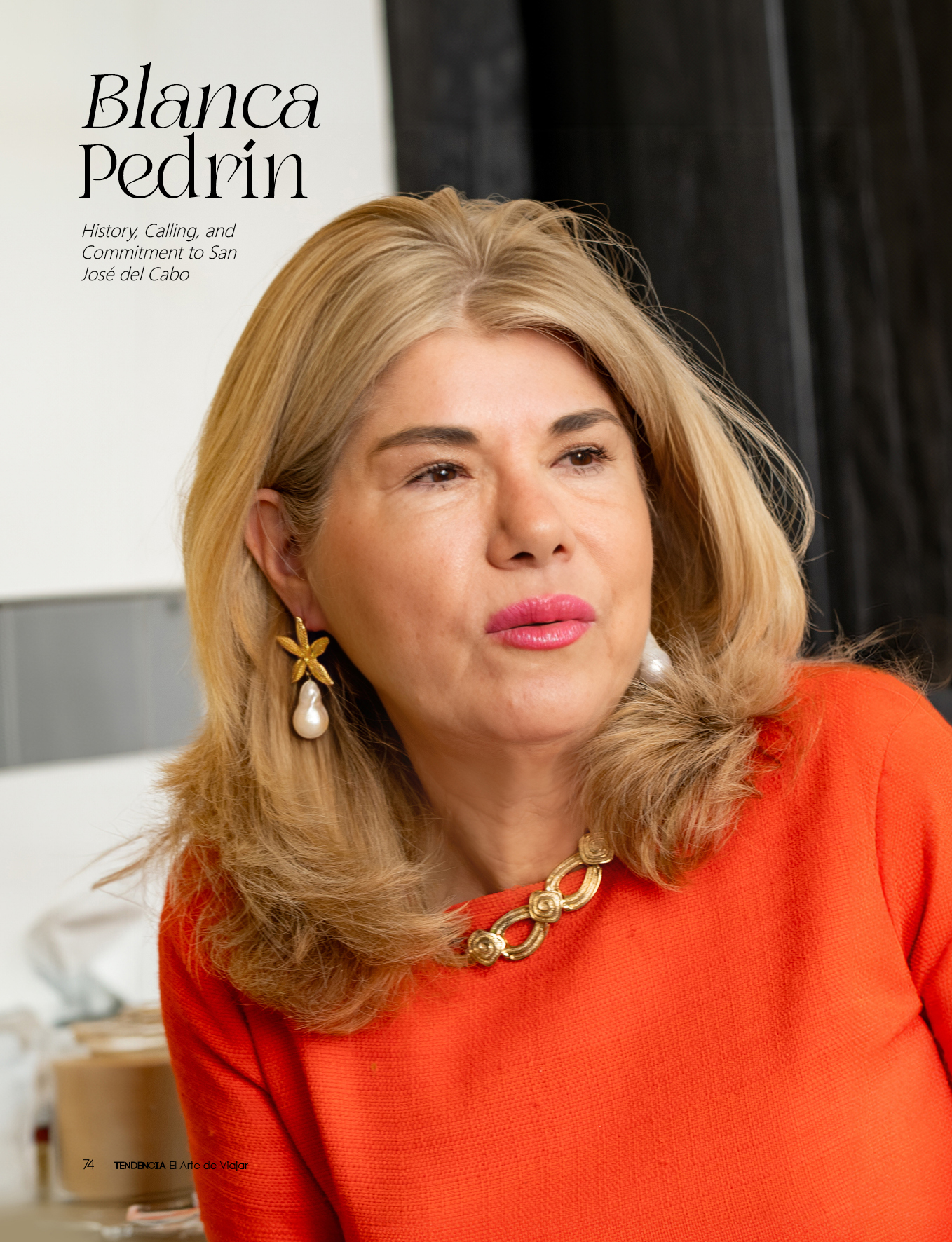
Hotel entrepreneur, mother, citizen, and one of the most consistent voices in the restoration of the historic center, beaches, and estuary of San José. Her story is that of a woman who turned her love for her town into concrete projects to beautify it, protect it, and keep its identity alive.
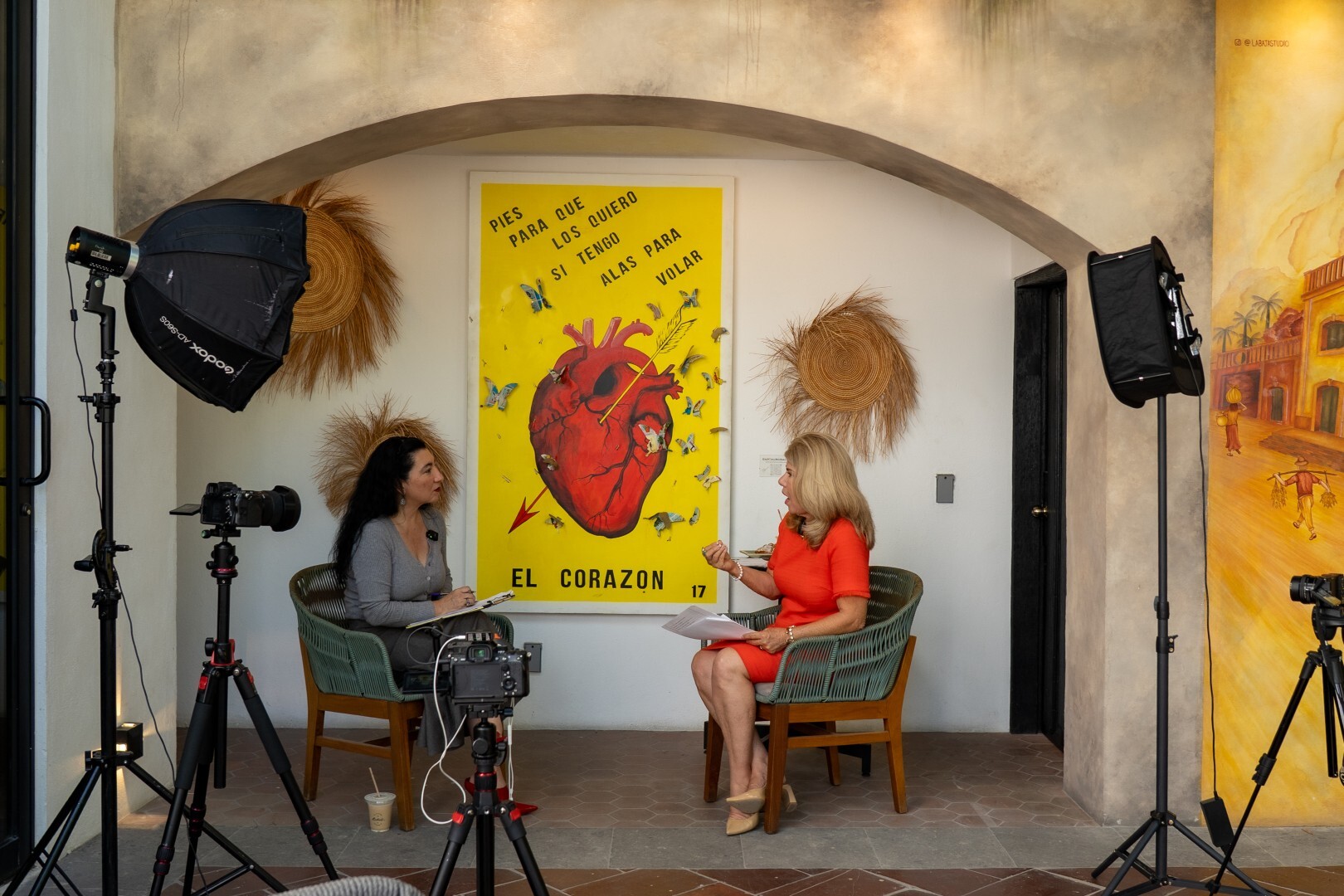
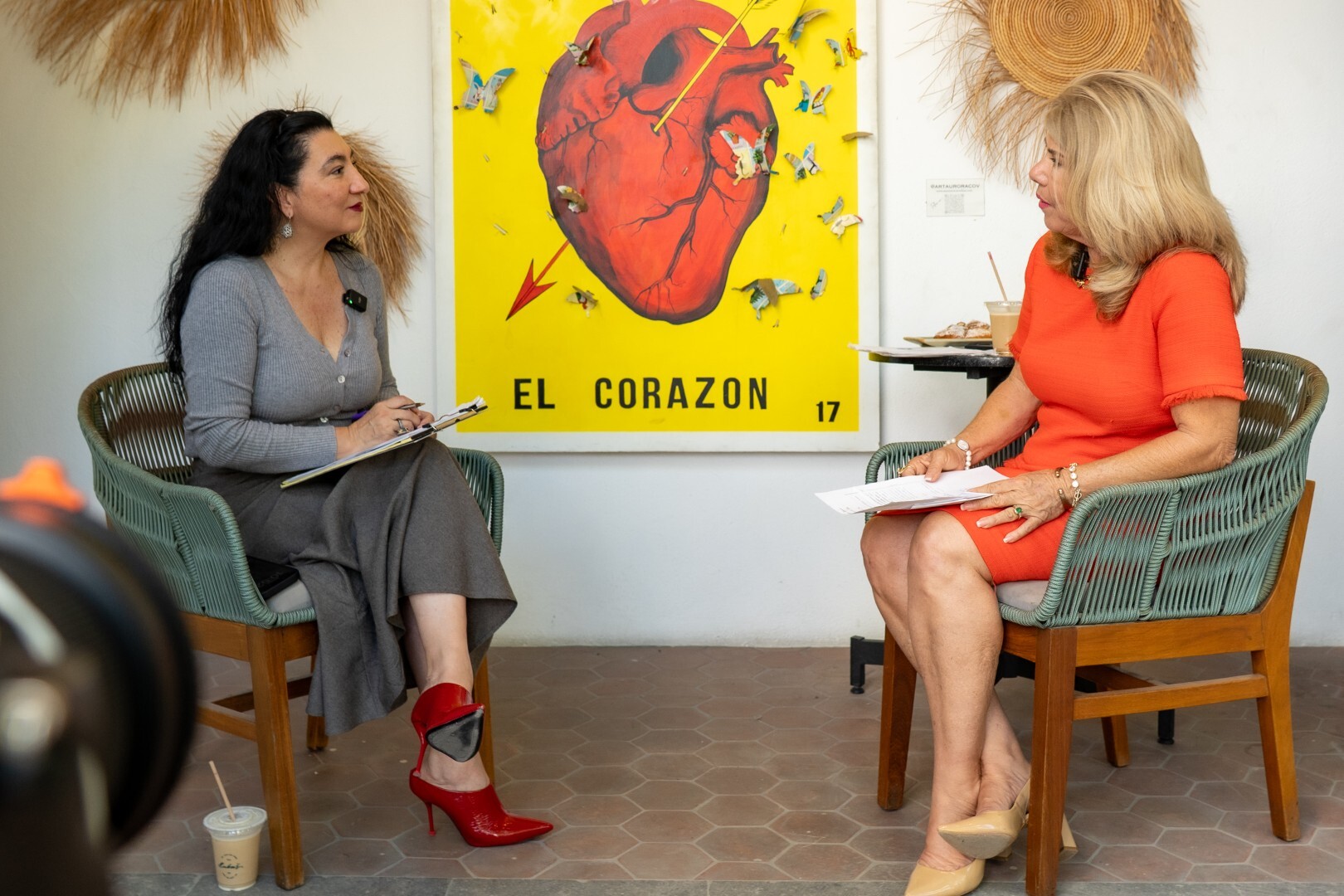
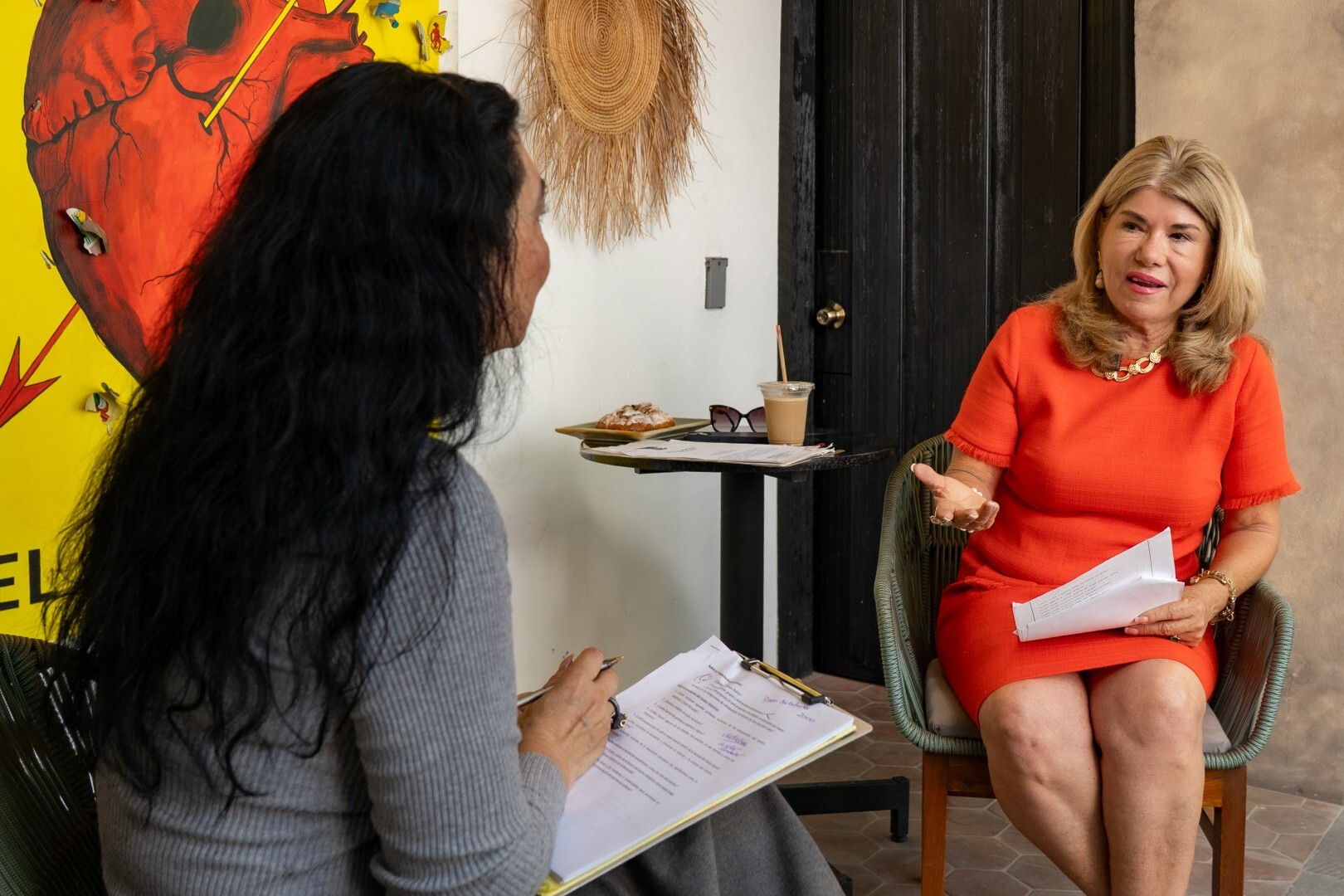
One, two, three, let's begin. Blanca, it's so nice to be here with you this morning. I'm very happy to be able to conduct this interview that we've planned for so long. I'd like to start by getting to know who Blanca Pedrín is.
Origins and Family
Blanca Pedrín expresses her pride in being born in San José del Cabo, describing it as a paradise. She was born on Morelos Street, at a time when births took place at home and the town had barely 3,000 inhabitants, which created a feeling of being part of a large family. The house where she was born is close to where she currently lives, and that connection fills her with pride. Blanca defines herself as a daughter, woman, mother, wife, businesswoman, and, above all, a committed citizen. She deeply loves her land and its people, considering herself an active, entrepreneurial, passionate, and tenacious woman.
She comes from a family where education was fundamental; her parents were teachers and her father was a delegate twice, as well as being the first interim municipal president. They instilled in her a respect for the land, the community, and the value of service. She remembers a happy childhood, full of family unity and respect for figures such as teachers, police officers, and authority figures.
Childhood and Memories
Blanca's childhood was marked by the magic of nature and community life. She remembers how, after hurricanes, thousands of butterflies would invade the streets, which for her represented environmental health and everyday magic. Her mother was a wise and loving woman, the family's refuge, while her father was the role model and public figure. Honoring her parents' legacy is part of her daily life.
Academic Background and First Steps in the Workplace
At age 15, Blanca left her village for the first time to continue her studies in Santa Monica and later in Mexico City, although she did not enjoy the experience. She decided to return home, especially after the loss of her brother. Thus, she studied political science and public administration at the Autonomous University of Baja California Sur, guided by her vocation for service.
Her first job was at Fonatur, where at the age of 24 she served important figures such as presidents, ambassadors, and investors. She witnessed the golden age of tourism development in San José del Cabo, participating in the inauguration of hotels such as the Presidente Intercontinental and the first golf course.
Experience in California and Return to San Jose
In 1982, he married and, following a devaluation, moved to California, leaving his heart in San José. He worked for 22 years for Mr. Parr, a pioneer in the region's hotel industry, promoting the destination and operating an exclusive travel agency for guests of iconic hotels: Twin Dolphin and Hacienda. Although she traveled frequently to San José, she always felt nostalgic for her homeland.
During those years, she learned about finance, investments, and hotel management, facing challenges such as overselling and pressure to meet budgets. After getting married, she devoted herself fully to being a mother to two daughters, whom she considers her greatest pride and life's work.
Hotel Entrepreneurship and Community Transformation
Upon returning to Los Cabos, she decided to become a hotelier. In 1997, she began construction and in December 1998, she opened her hotel on Morelos Street, then an abandoned area. She called on her neighbors to transform the street, turning it into a local landmark and promoting businesses such as a bakery famous for its bread.
Since 2001, she has been actively involved in the community, participating in rescue projects such as Playa Palmilla. She formed the Palmilla board of trustees together with committed citizens and fought to protect this space, calling on society to defend it.
Identity, Tradition, and Community Rescue
San José del Cabo is marked by intellectual families and a heritage of European migrants, with a strong tradition of education and work. Blanca highlights the rebelliousness inherited from the Pericúes and the importance of community, freedom, and the beauty of places like Playa Palmilla and the estuary, where they learned to swim and live together in unity.
Traditional festivities and life in the town square were fundamental, with elegant dances, orchestras, and social activities. She remembers life in the orchards, contact with nature, and organic food production before the concept even existed.
Fonatur and Development Challenges
Fonatur provided Blanca with excellent professional training, participating in the development of Loreto and San José. She observed how the water treatment plant originally served only the hotel lots, but urban growth led to overloading and contamination of the estuary, which motivated the fight to rescue it through the formation of trusts and the demand for better planning.
Blanca warns of the importance of corporate social responsibility, recognizing that development must be balanced and not put private interests before the common good. She advocates for daily citizen participation to preserve quality of life and the community.
Historic Center Association: Origin and Achievements
In 1998, when she started her hotel, Blanca noticed the dynamism of tourism and the desire to improve the environment. She was part of the founding of the San José Historic Center Association in 2002, together with merchants and citizens, with the aim of beautifying the town and restoring its identity. Architectural projects were undertaken and federal, state, and municipal resources were secured to transform the center, resulting in millions of dollars in investments and improvements in infrastructure, image, and culture.
During her presidency, she faced challenges such as street closures and the remodeling of the plaza and Calle Grande, always seeking dignity for citizens and setting historical precedents for future generations.
Heritage Preservation and Citizen Participation
The historic center has established itself as the hub of social, economic, religious, and tourist activity, and as the guardian of local identity. Blanca emphasizes that tourism should benefit citizens' well-being, not the other way around. The historic center is dedicated to culture, with events such as "Sabores San José" (Flavors of San José) that highlight local cuisine and seek to involve new generations in respecting and preserving heritage.
Challenges, Vocation, and Legacy
Blanca believes that everything starts with an idea and a love for the land and the community. She participates in groups such as Grupo Madrugadores, AMMJE, Concanaco, and Coparmex, seeking to strengthen social responsibility. She recognizes the challenges faced by governments and business organizations, lamenting the lack of organization and awareness, which has led to inequality.
She recalls that in her childhood there was no extreme poverty and education was universal, which changed with the arrival of new social dynamics. She insists on gratitude towards the land and the importance of sharing heritage and legacy with new generations.
Current and Future Vision
Blanca Pedrín celebrates the achievements made, such as the restoration of beaches and the transformation of the historic center, convinced that there is still much to be done. She highlights Estero Josefino Park as a green space and meeting place for families and tourists, a refuge for hundreds of bird species, and one of her most ambitious dreams. She believes that the progress made has put these issues on the federal, state, and municipal agenda, showing that with passion and commitment, it is possible to transform the community.
Galería